Hepatitis Overview
Hepatitis is classified as a virus causing inflammation of the liver. It can be both acute, lasting less than six months and healing on its own, or chronic, lasting longer and can be fatal. There are many strands of the virus throughout the world today, however we will be focusing on the most common: hepatitis A, B, and C. It is estimated that just over 3% of the worlds population carries a strain of the virus, most not even being aware of it. It can lie dormant for decades, slowly eating away at your liver without any physical symptoms. In this article, we will examine the three strains in-depth, and provide pictures to better illustrate.
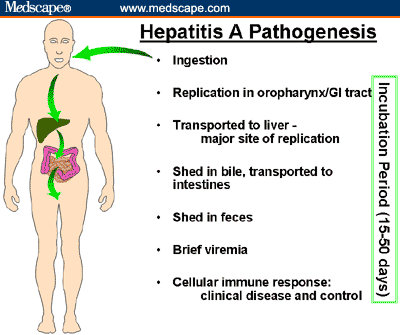
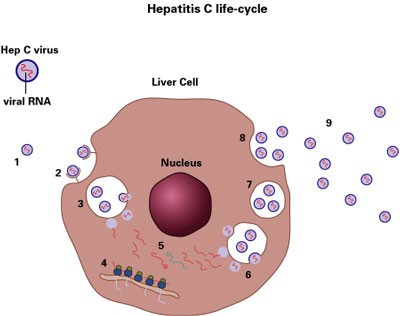
Hepatitis A, the least severe of the three, is transmitted by a fecal to mouth route. The most common ways to become infected is consuming contaminated food or water, or sexually. Due to those facts, its found much more in third world countries. Hepatitis B can be transmitted via blood transfusions, tattoos, sharing drug needles, and even from breastfeeding a child. Although it's generally associated as an STD, or sexually transmitted disease, as that is the most common way to get it. Many people refer to it as an STI, or sexually transmitted infection. Similar to B, hepatitis C can be transmitted though blood. However, this is the only way it can be transmitted.
Hepatitis Symptoms Do I Have Hepatitis
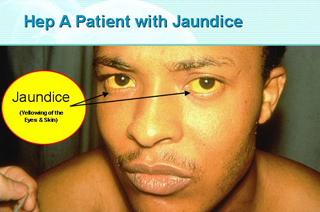
Hepatitis A takes between 15-45 days to between the time of infection, and the start of the illness. Within a week, jaundice will set in, causing a yellowing of the skin and eyes. This strain of the virus does not have a chronic stage, and there exists a vaccination that will permanently prevent the illness. Symptoms are as follows:
- Fatigue
- Fever
- Nausea
- Appetite loss
- Jaundice
- Sharp pains in upper right side of abdomen
Unlike hepatitis A, hepatitis B can be either acute or chronic. Over 85% of adults who get the virus will build up the appropriate anti-bodies and fight it off. The number drops the younger you are. Symptoms differ depending on whether it is acute or chronic. Acute symptoms include:
- Ill health
- Loss of appetite
- Vomiting
- General pains
- Mild fever
- Dark Urine
- Jaundice
However, if the virus moves into the chronic stage, your liver will become inflamed permanently, which will lead to cirrhosis. Although there is chance of the virus being fatal, a low percentage of cases turn out this way. Hepatitis C can also be acute or chronic. Acute hepatitis C is often mistaken for the flu, as symptoms are very similar. In fact, 60% of the people who have contracted acute hepatitis C never even knew they had it, as it often goes misdiagnosed. However, symptoms can be any of the following:
- Fatigue
- Abdominal pain
- Itchiness
- Jaundice
- Mild fever
- Jaundice
Chronic hepatitis C, clinically speaking, has a habit of only being found by accident as it can go years without any symptoms at all. Like all forms of hepatitis, your liver becomes inflamed, impairing its ability to work effectively. Unfortunately, the virus can eventually lead to any number of conditions if left untreated, including liver cancer, cirrhosis, and fatal scarring of the liver.
Hepatitis Diagnosis Treatments and Cures
A simple blood test can tell if you are infected with any kind of hepatitis. If results come back positive, your doctor will identify which type it is and offer you the best course of treatment. Sometime, a liver biopsy is required to determine the severity of the disease. If required, you doctor will give you a local anesthetic, and insert a small needle into your liver to retrieve a tissue sample, which they can then study under a microscope. For acute versions of the A and B strain, plenty or rest and fluids is all that is needed to clear out the virus.
If you are infected with chronic hepatitis, your doctor may advise weekly injections of pegylated interferon alfa, along with twice-daily oral doses of ribavirin. With luck, the combined efforts of the medicine will clear the virus from the bloodstream completely, or at a minimum greatly slow the virus down. If your liver is fatally damaged, you will be put on a liver transplant list and await surgery. If a donor is found in time, and the virus can be or has been cleared from your system, you can expect a full recovery.
Hepatitis A Video Guide
Information on the Hepatitis A virus by DR. Manny. Today were going to discuss hepatitis A the most common type of Hepatitis. It can easily be spread through the contact of fluids such as sharing a drink, touching foods, or even deep kissing. There is a vaccination for the virus and it can be treated, but if you do contract it you can get very sick including nausea, jaundice, fever, and a swollen liver. People that already have issues such as liver or kidney problems are in a worse situation as it can become quite problematic.
Embed Video
Hepatitis B Video Guide
Embed Video
Chronic Hepatitis B, it's called the silent killer and it affects millions of people around the world. Hepatitis B is a virus that attacks your liver which causes inflammation and is the most common serious liver disease in the world. It is spread through sharing needles, toothbrushes, but is most commonly transmitted through unprotected sex.
Symptoms of hepatitis B can be pretty mild as around 30% of people infected have no early symptoms. When symptoms do occur they can be abdominal pain, fatigue, and or vomiting. It's important to get tested because if left untreated it can cause serious damage to your liver.
Hepatitis C Video Guide
Embed Video
The University of California school of medicine discusses hepatitis C. Around three and four million people have this deadly disease in the US and don't even know it. People that need to be tested for hepatitis C include people that have had treatment for clotting problems prior to 1987, used and shared needles (around 80% of people that share needles will become infected with hepatitis C within the first year), and Blood transfusion or organ transplant before 1992. Also discusses symptoms, liver transplants, and trials.